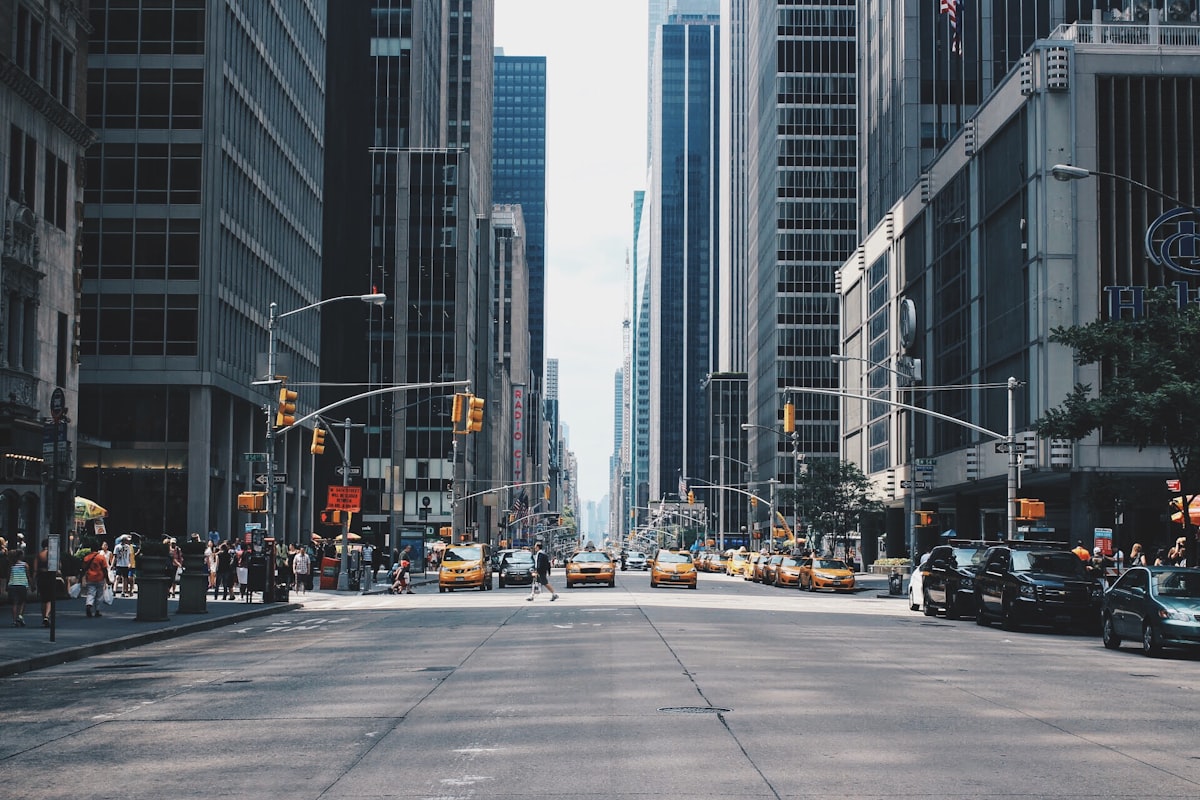
Modelling how public-transport networks absorb and recover from disruption, and designing routing strategies that keep cities moving when a line fails.
Overview
When a metro line goes down, the failure rarely stays local. This project models the cascade — how passengers reroute, where the next bottleneck forms, and which interventions actually shorten recovery time rather than simply moving the queue.
Research Questions
- Which network topologies degrade gracefully under single-line failure?
- Can demand-responsive feeder services meaningfully reduce recovery time?
- How should operators sequence interventions during a live disruption?
Approach
We combine smart-card demand data with a network-resilience simulator, validated against three real disruption events, to produce an operator-facing playbook for the first sixty minutes of an incident.
Collaborators on this project
DJ
Dr. James Okonkwo
University College London
PL
Prof. Lars Müller
TU Delft
PE
Prof. Elena Rossi
Politecnico di Milano