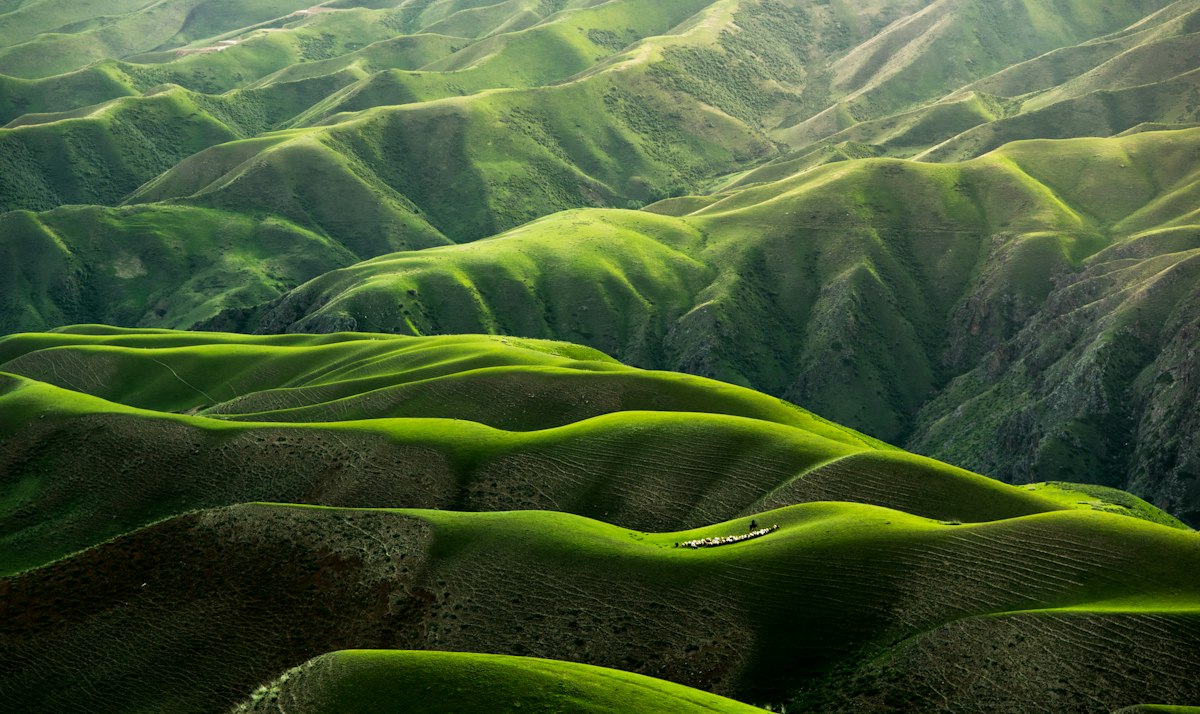
What a Decade of Fieldwork Taught Me
Ten years of conducting research in cities across three continents has changed how I think about data, people, and the limits of models.
The first time I ran a structured interview in a language I did not speak fluently, I spent three hours preparing questions and forty minutes watching my interpreter quietly rephrase them into something actually answerable. By the end of the session I had data. Whether it was my data is a question I still think about.
Fieldwork has a way of surfacing the assumptions buried in your research design.
Datasets describe. Fieldwork explains. The trouble begins when we mistake the first for the second.
What You Cannot Simulate
A traffic count tells you that 3,200 vehicles passed a given point on a Tuesday. Field observation tells you that 600 of those were delivery vans double-parked for an average of four minutes between 9 and 11am — and that this is tacitly accepted because the nearby market has operated that way for forty years.
The model can incorporate the count. It cannot incorporate the forty years.
Ten Years, By the Numbers
Three Continents, Three Lessons
The same research instrument behaves differently depending on where you point it. Here is one project, seen from three places.
Density rewrites the rules. In a South Asian market district, informal norms governed the kerb more tightly than any signage. The "noise" in my data was the actual system.
Process is the product. In Northern Europe, the constraint was rarely technical. It was the committee, the consultation, and the procurement timeline — none of which appear in a sensor feed.
Improvisation is infrastructure. In a fast-growing African capital, the gap between the official network and the lived one was the whole story. Mapping the lived one took months on foot.
What Changed in My Practice
After a decade, my fieldwork has converged on three habits I did not have when I started.
| Habit | Why it matters | What it replaced |
|---|---|---|
| Spend day one doing nothing useful | Lets the place disagree with you first | Arriving with a fixed protocol |
| Interview the sceptics | They understand the system most deeply | Mapping only supporters |
| Write up every evening | Same-day notes are primary sources | Reconstructing a week later |
From the Field
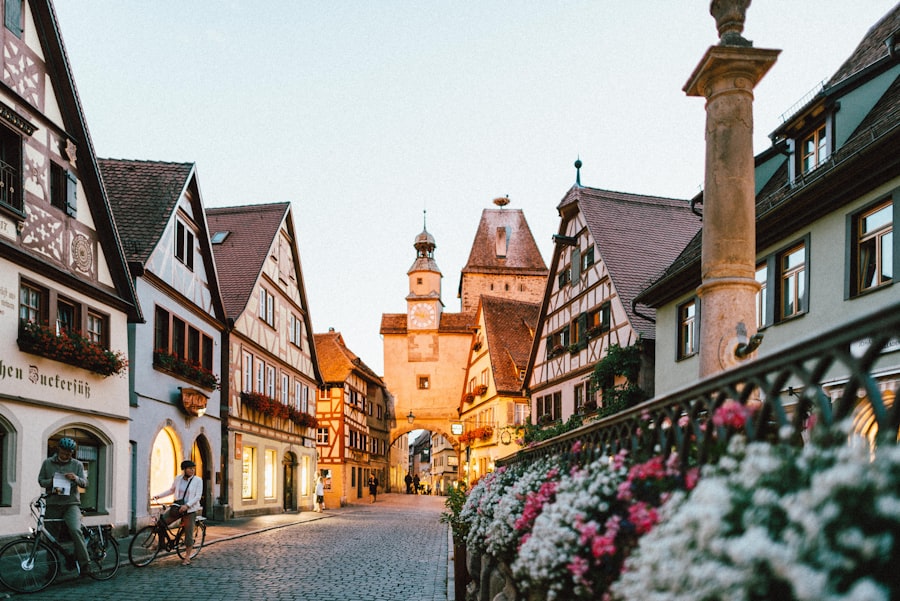
Four frames from ten years. None of them are in any paper.



My Field-Notes Template
I have used variations of this plain-text template for years. The structure matters more than the prose.
DATE / SITE / WEATHER
— Observed (what I saw, timestamped)
— Heard (quotes, verbatim where possible)
— Surprised me (anything that broke a prior)
— Follow up (people to find, things to verify)
Questions I Get Asked
Isn't fieldwork just anecdote?
How do you stay objective?
What's in your field kit?
The Three Habits, Stated Plainly
- Arrive early and do nothing. Let the place correct your preconceptions before you study it.
- Seek out the doubters. The person who thinks your intervention will fail often understands it best.
- Write tonight, not next week. Reconstruction is not observation.
None of this is original advice. What took me a decade was believing it.
Written between field seasons. With thanks to the interpreters who did the hard part.